
THIS IS NEOM
-
100 +nationalities working at NEOM26,500 km²land footprint71 %of Saudi population is under 35 years old10 degreescooler on average in our mountain areas than the rest of the GCCNEOM is a region in the making in northwest Saudi Arabia, driving diversification of the Kingdom’s economy and building a knowledge-based economy so that people and planet can thrive in harmony. Key developments include Oxagon, Port of NEOM and the NEOM Green Hydrogen Company, as well as an expansive area dedicated to nature.
-
3continents converge near to NEOM5regions and a nature reserve13 %of global trade in close proximity40 %world less than 6 hours awayAt the crossroads of three continents, NEOM benefits from a strategic location offering connectivity to key trade routes and major population hubs and abundant access to renewable energy. NEOM is supported by the land, energy, water, digital and subsea infrastructure required to enable the development of priority industries core to Vision 2030.
-
41Islands468 KMCoastline3regions of diverse ecology including mountains, desert and sea4.7 millionplants and shrubs plantedSurrounded by breathtaking landscapes and rich in renewable resources, NEOM is driven by a vision to protect and preserve our nature for future generations.


-
OUR latest EVENT
FII PRIORITY Miami 2026
At the summit, hosted under the theme of 'Capital in Motion', NEOM joined global leaders to discuss AI-led growth, digital transformation, and sustainable investment, showcasing the region as a hub for AI and technology. -
Our Stories
Guarding the Red Sea
Through innovative techniques in mangrove planting, Wajd Alaidrous is helping revive NEOM’s coastal ecosystems, showcasing the power of innovation and nature together.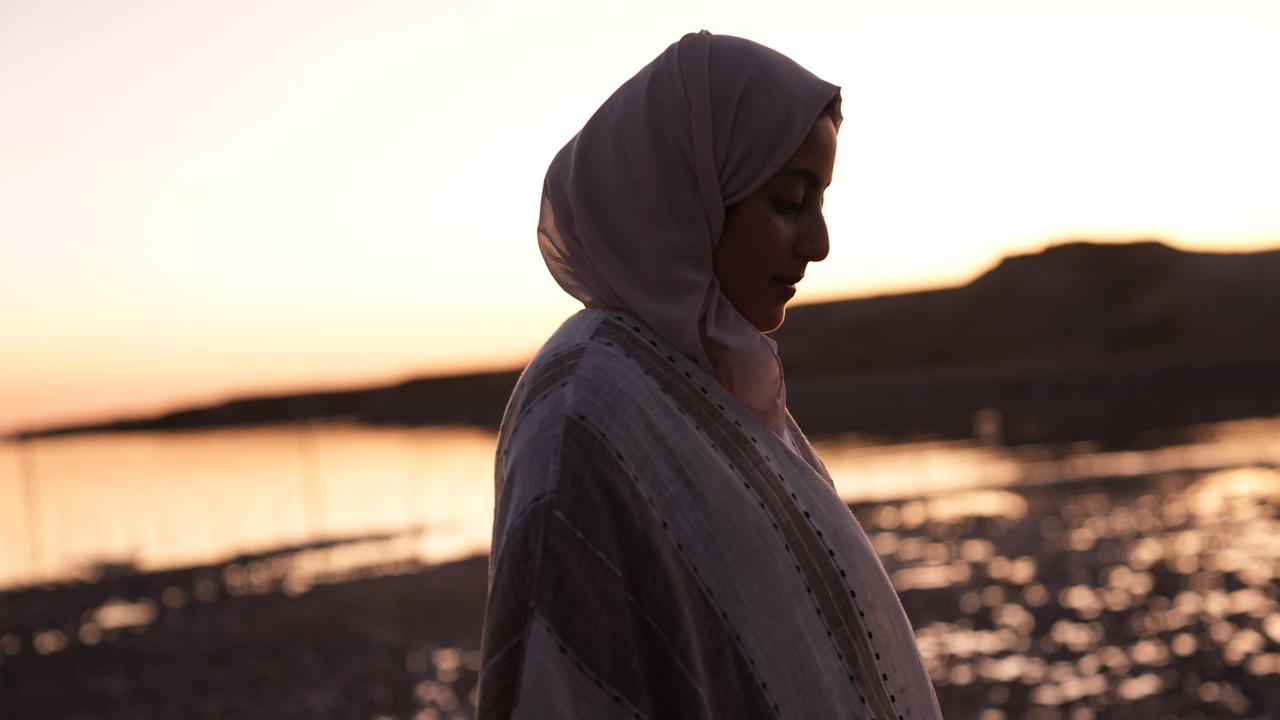
-
Our Community
NEOM Sports Club
NEOM S.C. is a growing community built on unity, passion and performance, bringing people together through sport.

Port of NEOM
Open for business
Operating 24/7 with expanded operations, Port of NEOM is facilitating trade across northwest Saudi Arabia and strengthening connectivity through intermodal corridors linking Egypt, the region, and Europe.
As the Port expands with an advanced container terminal and deeper integration with Oxagon’s industrial ecosystem, emerging as a gateway for Saudi Arabia’s maritime and trade ambitions.

A REGION IN THE MAKING


